
Lincolnville Community Redevelopment Agency (CRA)
Every Home Known: The Home Story Package
In this guidePage 10 of 10
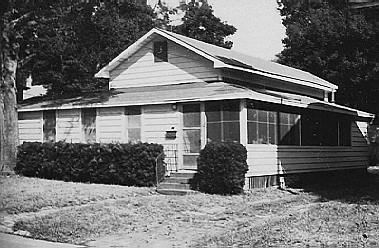
Then
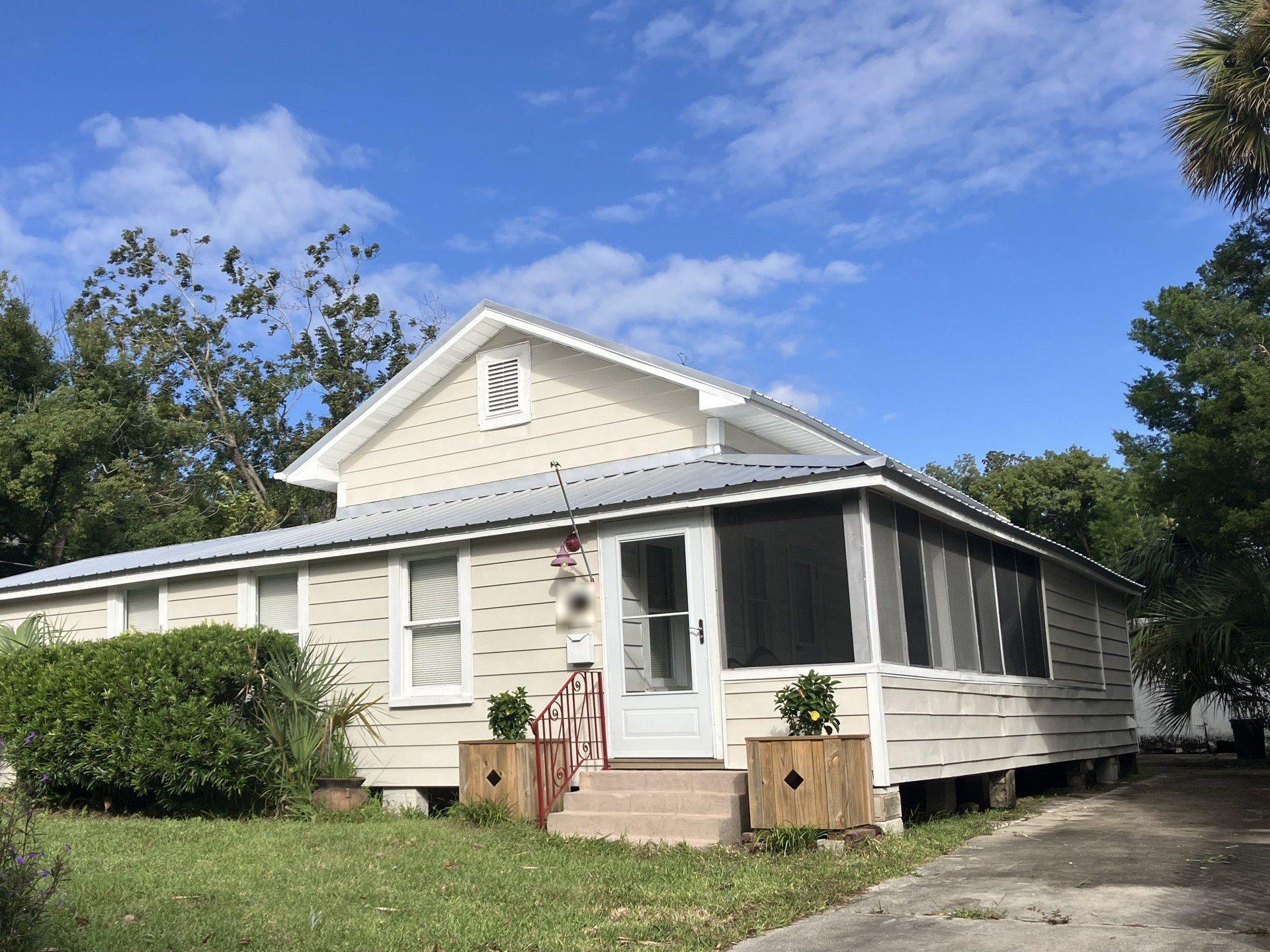
Now
The Home Story Package
Holiday 2026First 5 homeowners
Give Your Home's History a Future.
Holiday Home Story Package
Special $950Regular price $1,200Save $250
Code ROOT950
Limited to the first 5 eligible Lincolnville homeowners.
Code ROOT950 is applied at secure Stripe checkout. Your first year is $950, and membership then renews at $1,200 a year. Root & Simmer will confirm your eligibility by email.
Prefer to talk first? Claim your offer below and Root & Simmer will email you about next steps.
All-inclusive package and membership
| Included | Details |
|---|---|
| Digital welcome packet | A sourced history of your home: records gathered in one place, historical context, and your family’s memories in your own words. Scope agreed together. |
| Electronic documents | Three member documents: Homes Not Hotels: A Lincolnville Proposal; Why Lincolnville Homes Are Lost: Risks and Protections; and the Lincolnville Places and People Guide. |
| Membership | One year of ROOT Membership, included with the package. The included membership lasts one year. Updates on events and CRA votes, a voice, and knowing what is happening in Lincolnville. ROOT Membership is also available on its own. |
Inside a finished packet
This is what one Lincolnville family received in November 2026, for the home in the photos above. Every fact is traced to a record, and where the records disagree or fall silent, the packet says so. The packet belongs to the family, so its pages are not shown here.
Folder presentation
18 pages
Everything known about the house and its land, with a table of contents for the records.
A personal letter
3 pages
What we found, what is still missing, and the questions only the family can answer.
Home History Packet
13 pages
The full written history of the home, with every source named.
Digital Records Collection
80 pages
Copies of 19 public records in six sections, each with a one-page summary.
The six sections of records
- Ownership
- The Property Appraiser record and the chain of deeds.
- Repairs and permits
- Roof and electrical permits, and a roof certificate of completion.
- Historic status
- The Florida Master Site File record and its survey photographs, the 1991 National Register nomination, and the 1991 Lincolnville Historic District map.
- Historic maps
- Sanborn fire insurance maps from 1910 and 1917.
- Plan and protections
- The page of the 2013 Lincolnville Redevelopment Plan that touches the street, the Ad Valorem Tax Exemption for Historic Preservation, and the City Code on the Historic Architectural Review Board.
- Research
- Pages from a university study of the neighborhood, and the findings of a file search.
Where it helps, the packet also includes a draft of the State’s National Register Preliminary Site Information Questionnaire for the home, and the ROOT Membership Guide.
How we label what we know
Every historical fact ends with a small tag saying where it came from, so you can see at a glance how solid it is.
- Directory entry A name, trade and address printed in a city directory (1885, 1899, 1907 or 1911–12). Example: “Charles T. Evans, barber, 66 Washington Street, 1907.”
- National Register (1991) What the 1991 nomination for the Lincolnville Historic District says about a building or street. Example: “Washington Street was the main Black business district.”
- Public record A City, County or State record: a deed, permit, HARB file, site file or property card. House numbers and names in these records are public information. Example: “The County lists a masonry wall as the lot’s only remaining feature.” Public record (St. Johns County Property Appraiser)
- Oral history A resident’s or descendant’s account, shared with written permission and credited to them. Example: (sample wording only) “My grandmother sold pies from this porch.” Oral history, shared by the family with permission.
- To verify A faint reading, two sources that disagree, or a claim with no record yet. Example: “Palace Market opened at 87 Washington in 1914.” (sources give three addresses)
- One label per fact. If two kinds of source agree, we use the stronger one: a record before an oral history.
- Disagreement is shown, not hidden. When two records differ, we show both, each with its own label.
- “To verify” is never removed by guessing. It comes off only when a record settles it.
Questions? Get in touch.
Kimberly Joyce, Founder & Director of Community Partnerships