
Included
Digital welcome packet
A sourced history of your home: records gathered in one place, historical context, and your family’s memories in your own words. Scope agreed together.
Digital Records
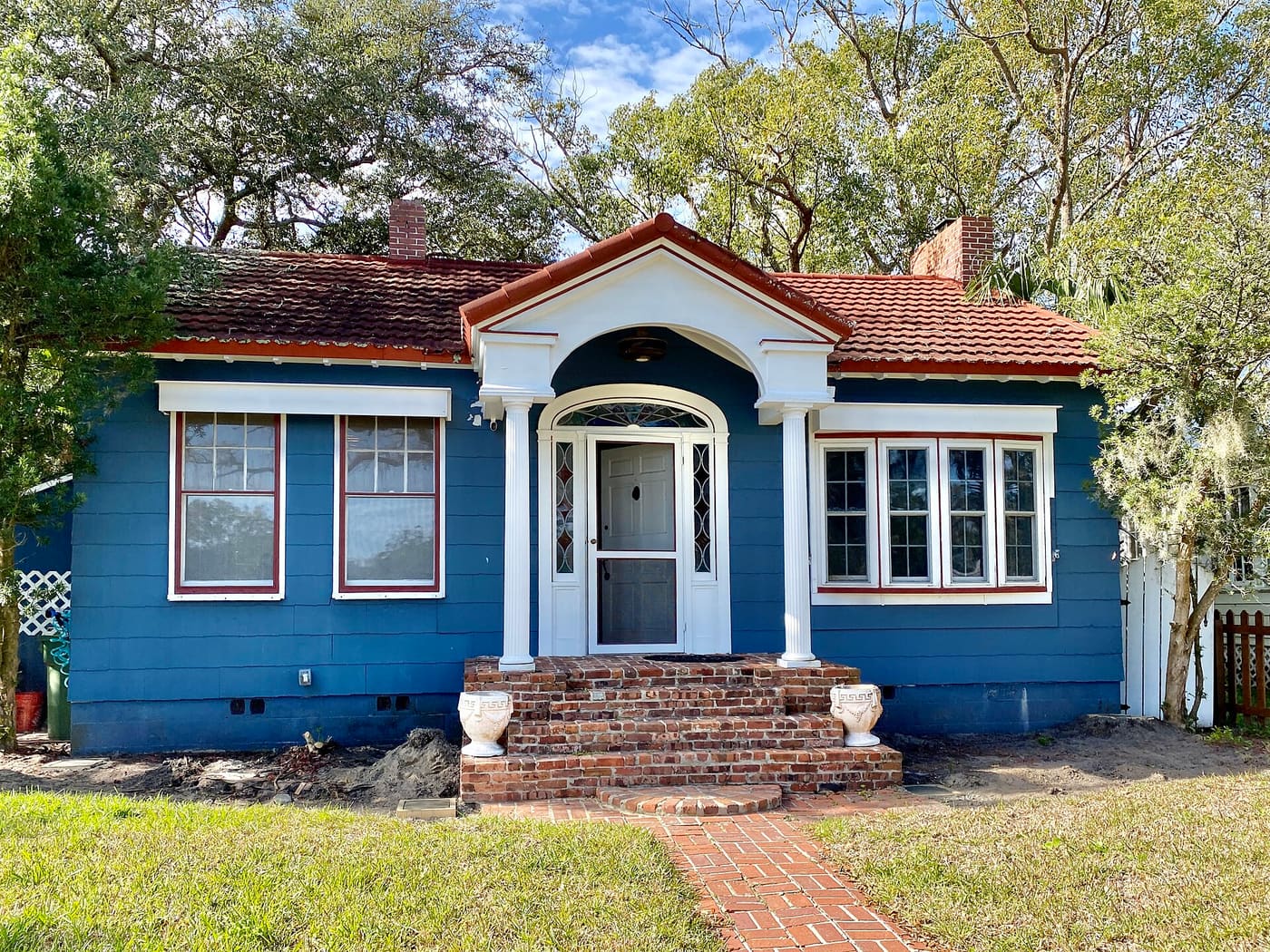
City plans, preservation records, district building lists and recorded City interviews are scattered across offices and archives. Root & Simmer gathers them, writes a plain-language guide to each, and keeps every source named, so you can follow Lincolnville’s story and your home’s place in it.
The member documents
Digital Records come with the Home Story Package, together with your digital welcome packet and one year of ROOT Membership.
Homes and vacation rentals
The full proposal: Lincolnville by the numbers, the one-week rule, the problems we share, where current trends point, and ways to raise resident attendance and participation.
Historic preservation
What puts Lincolnville homes at risk and what protects them: repair help, demolition review, historic status, owner-requested landmark status, incentives, and the risks residents named in 2016.
Self-guided discovery
The people behind Lincolnville’s named parks and streets, its historic institutions and civil rights sites, drawn from City records and the Redevelopment Plan.
Public records stay public. Anyone can request them from the City directly; the City may charge for copies. Our guides describe what the records said on their dates; the City confirms a property’s current status. Family stories are never sold, and nothing a family shares appears in a guide without their written permission.
All-inclusive package and membership
ROOT Membership is available on its own, or included for one year with an eligible Home Story Package purchase.
Included
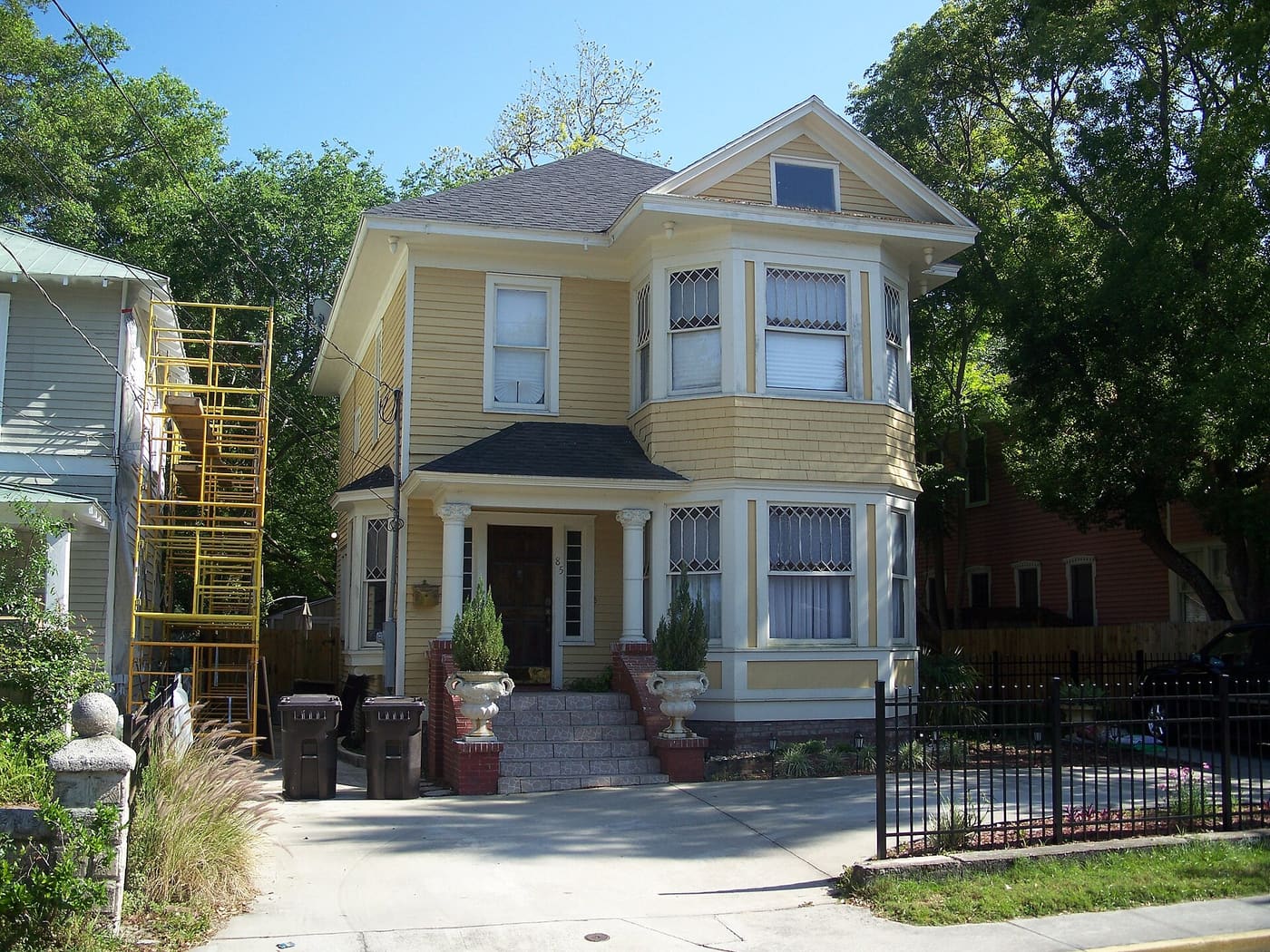
A sourced history of your home: records gathered in one place, historical context, and your family’s memories in your own words. Scope agreed together.
Included
The three member documents above: Homes Not Hotels, Why Lincolnville Homes Are Lost, and the Lincolnville Places and People Guide.
Included
One year of ROOT Membership, included with the package. The included membership lasts one year. Updates on events and CRA votes, a voice, and knowing what is happening in Lincolnville. ROOT Membership is also available on its own.
Included
Root & Simmer requests the City, County and State records behind your home: deeds, permits, Historic Architectural Review Board files, site files and more. We track each one until it arrives, then add it to your home file with a plain-words note on what it means. Members can also open the records behind demolished and threatened Lincolnville homes, such as 103 South Street.
Included
Each year, give three family members or friends an invitation code to join as a Friend of Lincolnville for $50 a year, with the Mohlman Research, the Historic Residents Map, the newsletter and the self-guided walk guide.
Included
Each year, three codes for the self-guided walk guide to give to family, friends or guests.
Included
Every plan, budget, meeting record and City interview in the Library, including the members-only documents, with new ones added as they come in.
Member votes guide Root & Simmer’s own research and storytelling. They are not official decisions and are not votes of the City or the CRA. To speak directly to the CRA, attend a public Steering Committee meeting; members receive the meeting dates and how to give public comment.
Root & Simmer is independent and not affiliated with or endorsed by the City of St. Augustine or its Community Redevelopment Agency (CRA).
Every historical fact ends with a small tag saying where it came from, so you can see at a glance how solid it is.