
Preserve Historic Homes
Demolition
Once a historic house or one of its defining features is gone, it cannot be brought back. Here is how the City reviews demolition, how neighbors can speak up, and what an owner must file.
Preserve Historic HomesPage 2 of 5
The Stairs to Nowhere
Walk Lincolnville slowly and you will find them: a few concrete or stone steps standing alone in a yard, climbing to a door that is no longer there. The building is gone. The steps stayed.
Each set of stairs marks a threshold someone crossed every day: into a home, a church, a shop, a workshop. They are some of the last physical pieces of buildings that once stood on these lots, and they ask a simple question of anyone passing by: who walked up here, and what were they going to do?
Location 1
145 Twine Street
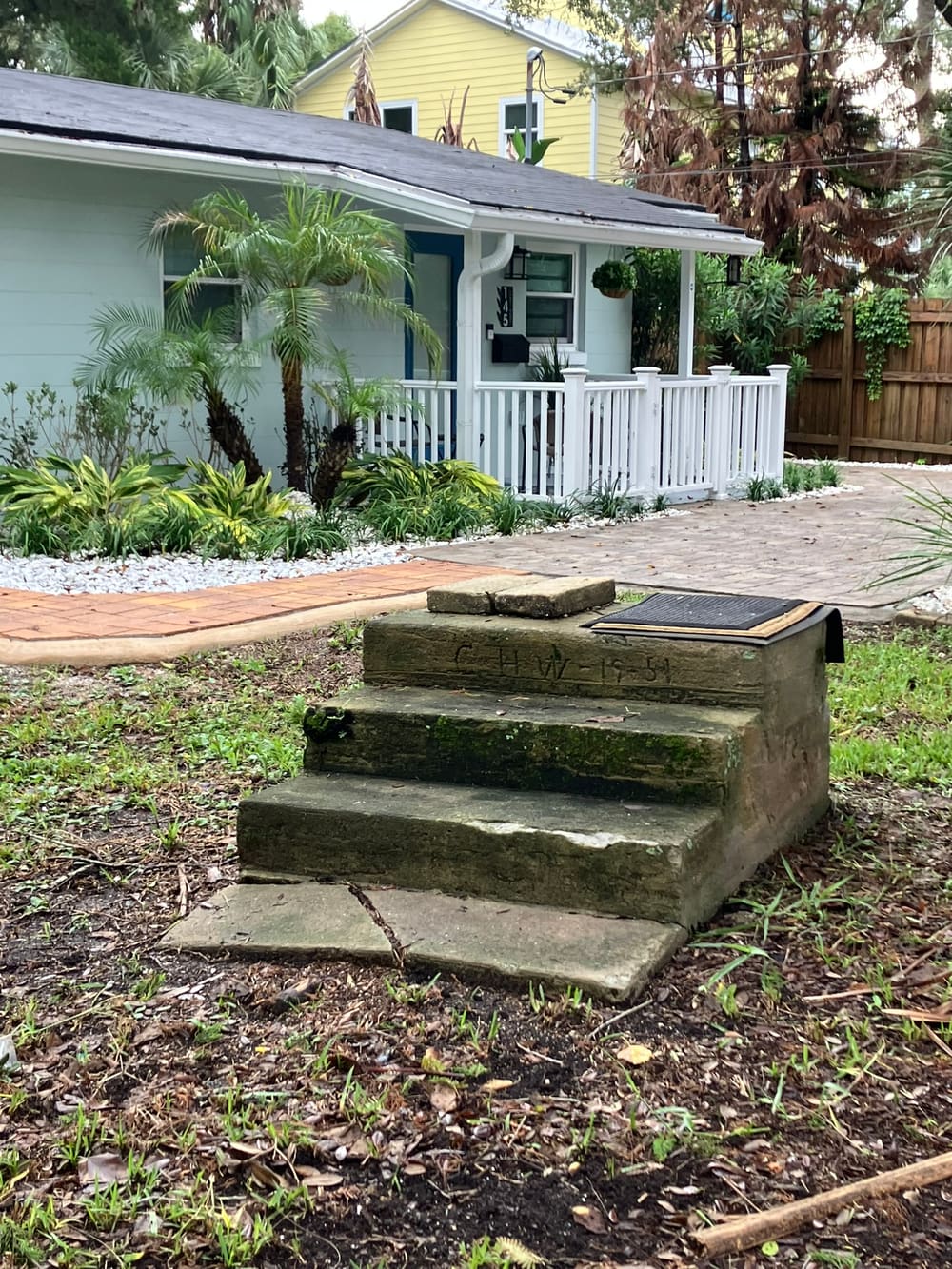
The steps at 145 Twine Street, carved “C H W - 1951.” Photo: Root & Simmer, October 2026. Three concrete steps on a small landing stand alone in the side yard, with a cracked slab at the base. Pressed into the top riser are the initials C H W and the year 1951. The house on the lot today was built in 1986, so the steps belonged to something older. Who C H W was, and what door these steps once reached, is still an open question.
See 145 Twine Street on the mapLocation 2
101 South Street
A freestanding concrete stoop remains on the site. Which building it served, and when that building came down, is still being researched. The old Sanborn maps, City records and the memories of the family who knew the lot can tell what it once led into.
See 101 South Street on the map
Root & Simmer is gathering these stairs into one story, a trail of thresholds across the neighborhood. Each set will be photographed, located, and paired with whatever the records and the families can tell us: who built it, who used it, and why it is the only part left standing. Where the records are silent, the neighbors’ memories will carry the story, labeled clearly as their own words.
The stairs that remain are Lincolnville’s way of saying: we were here, we worked here, and we are still here.
Know of a set of stairs standing alone? Tell us
Steps like these are what demolition leaves behind. Below is how the City reviews demolition, and how to speak up before the next building goes.
Preserving history and homes
Root & Simmer Hospitality Co. preserves Lincolnville’s homes, history and heritage. Independent and rooted in the neighborhood, we research the story of each home, record the voices of the families who made it home, and carry both forward, so 160 years of Lil Africa are known, kept and heard from generation to generation.
This page begins with what demolition leaves behind: an empty lot where a century-old house stood, and steps standing alone in a yard. Then it shows how the City reviews demolition, how neighbors can speak up, and what an owner must file, so the next house can stay standing.
Every Home Known. Every Voice Heard. Every Generation Connected.
103 South Street: before and after
A frame house built about 1904 to 1910 stood at 103 South Street, a contributing building in the 1991 Lincolnville Historic District. Today the lot is empty.
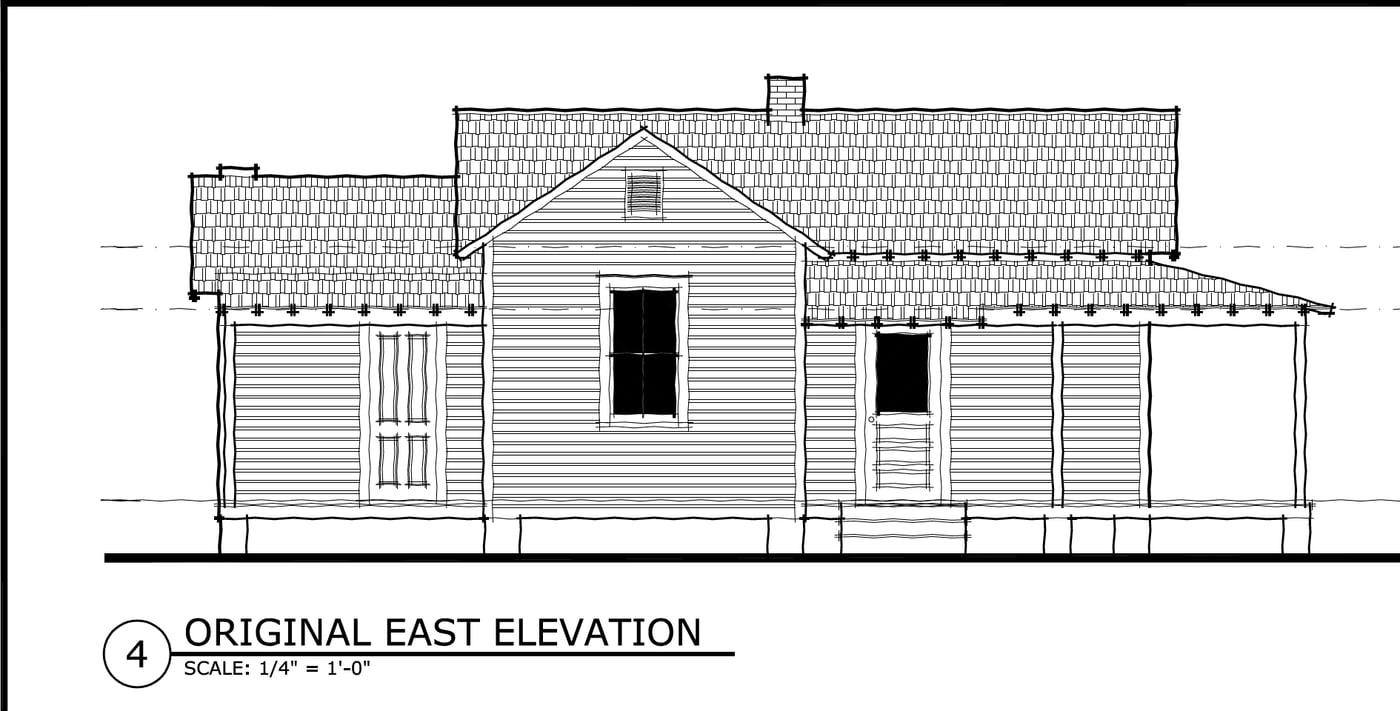
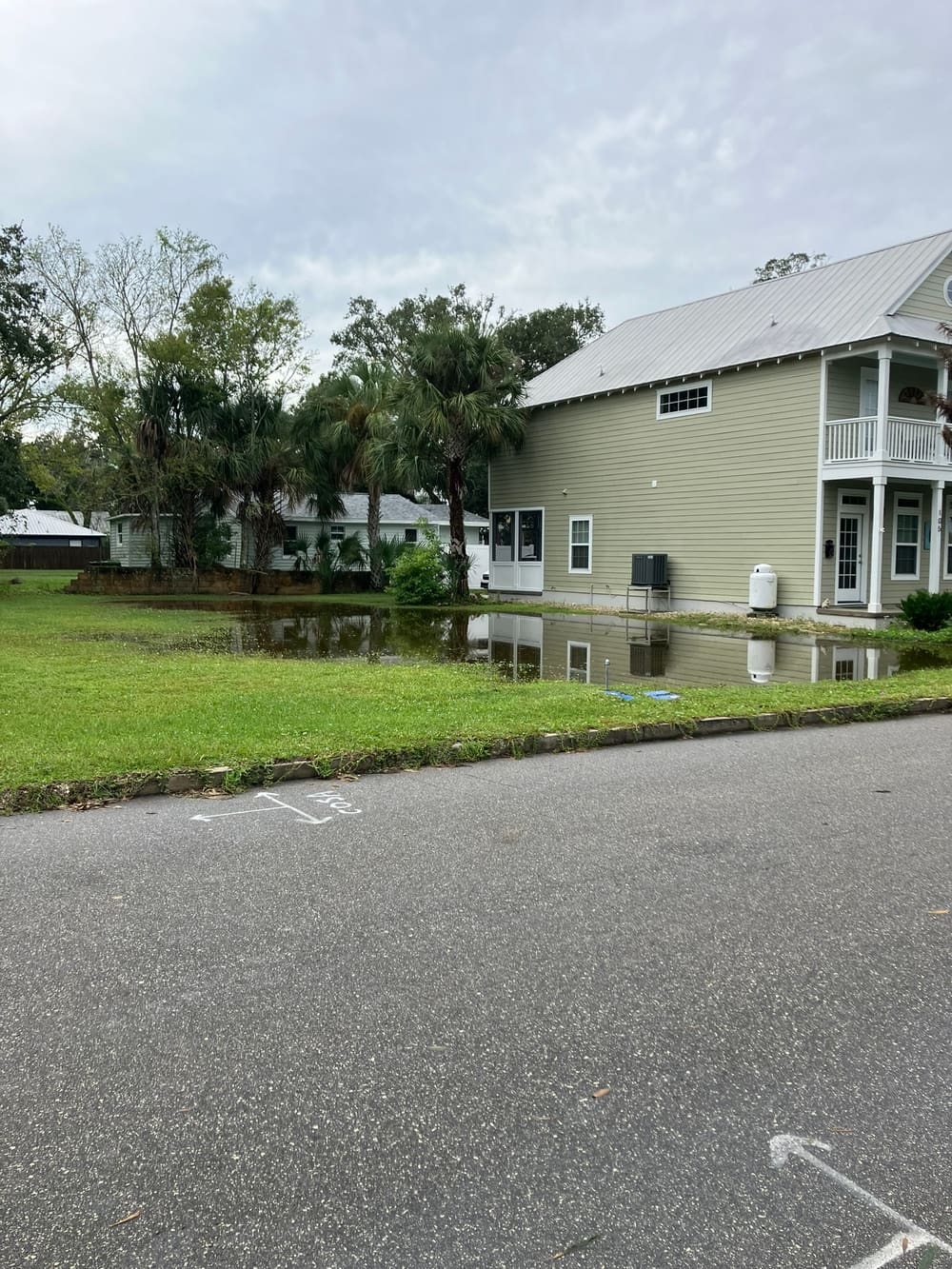
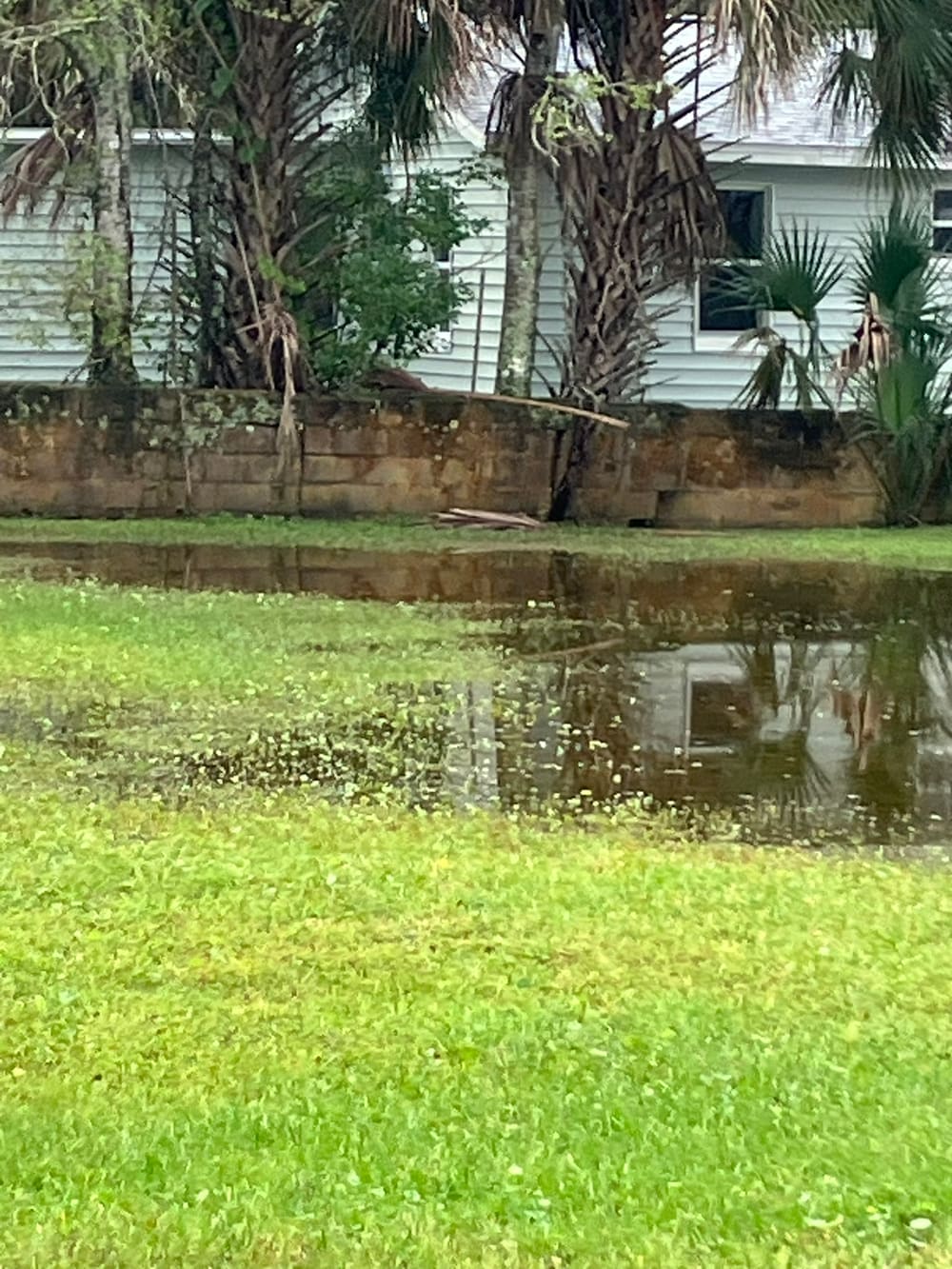
- December 19, 2019
- The Historic Architectural Review Board approved a partial demolition with conditions (case 2019-0109). An earlier demolition approval had expired.
- December 18, 2020
- A licensed contractor filed demolition permit PR2020-1652, the day before the one-year approval ran out. The City lists the permit as closed.
- Today
- The County lists the parcel as vacant residential. A masonry wall is the only feature it lists, and that wall still stands along the back of the lot.
The order in the file approved a partial demolition, yet no building stands today. We have asked the City, plainly and without blame, what approval covered the rest. This is how a contributing house can be lost step by step: an expired approval, a new partial approval, a permit filed at the deadline.
Records on file · 6 of 12 in hand
The paper trail behind this lot, one record at a time. Root & Simmer requests every City, County and State record and tracks it until it arrives.
- In handHARB order, case 2019-0109: partial demolition approved with conditionsMembers
- In handDemolition permit applicationMembers
- In handDemolition permit PR2020-1652Members
- In handDemolition plan: the architect’s drawings of the houseMembers
- In handCity demolition permit list entryLists the whole building and an already empty lot.
- In hand1991 National Register listing: contributing, Frame Vernacular, 1904-1910
- Still to requestThe earlier Certificate of Demolition, COD 2018-0005, which expiredWhat was first asked for, and why it lapsed.
- Still to requestAny extension or amended order after December 2019The order approved a partial demolition; no building stands. This would show what approval covered the rest.
- Still to requestPermit PR2020-1652 inspection and closeout recordsWhat work was inspected and signed off.
- Still to requestCode enforcement cases on the property before 2021Whether the City cited the house before it came down.
- Still to requestFlorida Master Site File form 8SJ2219, with its photographsThe State’s description of the house, and photos from before its loss.
- Still to requestArchaeology review for the lotWhether digging was reviewed on this Lincolnville lot.
ROOT Members open each record, with a plain-words note on what it means.
101–103 South Street | Demolition & Historical Site Investigation
Demolition documented by field observation — exact property attribution pending.
On South Street, a concrete stoop stands alone where a building once stood. Root & Simmer is working to establish what stood there, who it belonged to, and how it came to be removed, so that what remains can be documented and remembered.
Verified by field observation
- A freestanding concrete stoop remains on the site.
- A nearby yellow building, which is standing, displays the number 101.
- 154 Martin Luther King Jr. Avenue is a separate, standing property.
Oral history
- A family member reported a City-required demolition involving a structure connected to the family’s history. Recorded as shared with Root & Simmer; not yet confirmed by records.
Pending research
- City HARB case 2018-0104 is under review.
- Research identifies a demolished house associated with 103 South Street. The relationship between the two addresses, the demolition and the remaining stoop is not yet resolved.
- Whether the demolished structure stood at 101 or 103 South Street.
The research roadmap
Discover the site’s historyIn progress
Gathering city directories, deeds and family memory for both addresses.
Verify historical structures and property boundariesPending
Which building stood where, on which parcel. Historic Sanborn maps and the district nomination come next.
Review City and HARB demolition recordsIn progress
Obtain the complete HARB case 2018-0104 file and verify the demolition permit and parcel.
Document what remainsIn progress
Field photographs of the stoop and the lot, taken in October 2026.
Explore appropriate preservation or historical recognitionPending
Once the facts are confirmed, and only with the family’s permission.
Next research
- Obtain the complete HARB case 2018-0104 file.
- Verify the demolition permit and parcel.
- Confirm whether the demolished structure was at 101 or 103 South Street.
- Review historical Sanborn maps and the district nomination.
- Document the family history, with permission.
Historic buildings not extant at the time of the City’s survey
The St. Augustine Flood Mitigation Survey Report includes Appendix E, “Demolished Structures.” It lists resources that were identified during the survey’s data reconnaissance, mostly ones previously recorded in the Florida Master Site File, that were found to be not extant at the time of survey.
The appendix records that a building was missing when surveyors looked for it. It does not say when, how or under what approval each building was lost, and many losses are probably older than the survey.
Source: City of St. Augustine, St. Augustine Flood Mitigation Survey Report, Appendix E, “Demolished Structures.” The full appendix is in the members’ library.
How the City reviews demolition
St. Augustine reviews demolition before it happens, and owners and neighbors can take part in that review. These rules apply to every building in the city, whatever its zoning.
- Full demolition
- A Certificate of Demolition is required before completely demolishing any structure 50 years old or older. The Historic Architectural Review Board (HARB) must approve it before a demolition permit is issued.
- Partial demolition
- The permanent removal of historic exterior features: roofs, chimneys, exterior walls or finishes, porches, windows, foundations and other visible features, and removing 50% or more of a feature’s appraised value even where it is not visible.
- Replacement in kind
- Compatible replacements with matching material and design can often be approved by City staff during permit review.
- Archaeology
- Digging more than 3 inches deep over 100 square feet may need review first. Check with the City Archaeologist before foundation work, additions or trenching.
If a demolition is proposed near you
- Check the building on the Lincolnville Home Map: choose “Demolition watch” to see the lots on the City’s 2019-2025 demolition permit list.
- Watch the HARB agenda. HARB meets on the third Thursday of each month, and demolition requests are heard in public.
- Speak at the hearing, or send a written comment beforehand. Neighbors may comment on any request.
- Ask Historic Preservation staff what review applies: harb@citystaug.com.
Filing for a demolition: the paperwork
For owners who are weighing demolition of all or part of a building, here is what the City asks for, in the order you will need it. The City’s own advice comes first: before deciding to demolish, consider restoring or repairing the building, and look at the local and federal programs that help with preservation costs.
Does your building need HARB approval?
The Historic Architectural Review Board (HARB) must approve a demolition before the City issues a demolition permit if the building:
- Is listed in the Florida Master Site File
- Is 50 years old or older
- Is designated as a local historic landmark
- Is listed on the National or Local Register of Historic Places, on its own or as part of a historic district
These rules apply to every building in the city, whatever its zoning. Most of Lincolnville’s older homes meet at least one of them. Ask Historic Preservation staff if you are unsure: harb@citystaug.com.
The seven steps
- Talk to Historic Preservation staff first
- Choose the right application
- Gather the documents
- File through the City’s Permit Portal by the deadline
- Pay the fees
- Present at the hearing
- After a decision
The full filing guide is in Packet 1. Members get each step in detail, what “proof of undue economic hardship” means, the flood-zone exemption, and the City’s Application Agreement, Economic Hardship Worksheet and Submittal Checklist gathered in one packet.
A possible exemption in flood zones: some single-family homes in flood zones may be exempt from HARB review. From the City of St. Augustine’s Demolitions and HARB Applications pages, as of November 2026.
How Root & Simmer helps
Root & Simmer Hospitality Co. is here to support the Lincolnville Community Redevelopment Agency (CRA) and the neighbors it serves, with a service that answers the CRA’s own concerns. We do not bid on City work or manage City property. We do the groundwork that helps good decisions get made.
Get the forms and records
We request and gather every City, County and State record and form a project needs: permits, Historic Architectural Review Board (HARB) files, property records, maps, minutes and budget pages.
Explain them in plain words
We read the records and write the narrative: what the data shows, what it leaves open, and what it means for the people who live here, with every source named.
Preserve history and homes
We research and record the story of each place and the families connected to it, so that history is kept and the homes still standing stay standing.
Support the CRA – Lincolnville
We bring neighbors’ voices, verified history and volunteer hands to the CRA’s work, and we help answer the questions the CRA and the City are asking.
The member packet
Packet 1
Protecting Your Home from Demolition
- Protecting a historic home from demolition: the plain-words guide, with the City’s 2023 letter to owners of historic buildings and the HARB section of the City Code
- Filing for a demolition, step by step: which application, the documents, the Permit Portal, fees, the hearing and appeals
- The City’s forms gathered in one place: the HARB Application Agreement, the Undue Economic Hardship Worksheet and the Submittal Checklist
- Keeping Your Lincolnville Home: a homeowner’s guide to preservation, repairs and the agreements that come with help
- Lincolnville Demolitions at a Glance, 2019-2025
- Lincolnville Homes Already Demolished, two lists
- Lincolnville Demolition Permits Still Open or Issued
- City Demolitions List, 2019 to 2025
- Demolished Structures Survey, 2019-2021, in a printable copy and the City original
Members onlyPDF, 73 pages
Get the packet
The packets come with ROOT Membership. ROOT Membership is available on its own, or included for one year with an eligible Home Story Package purchase.
See ROOT MembershipRoot & Simmer Hospitality Co. offers this page as independent community education. It is not an official City of St. Augustine, CRA or Historic Architectural Review Board publication, and it is not legal or tax advice. Rules change; confirm with the office named before you act.